
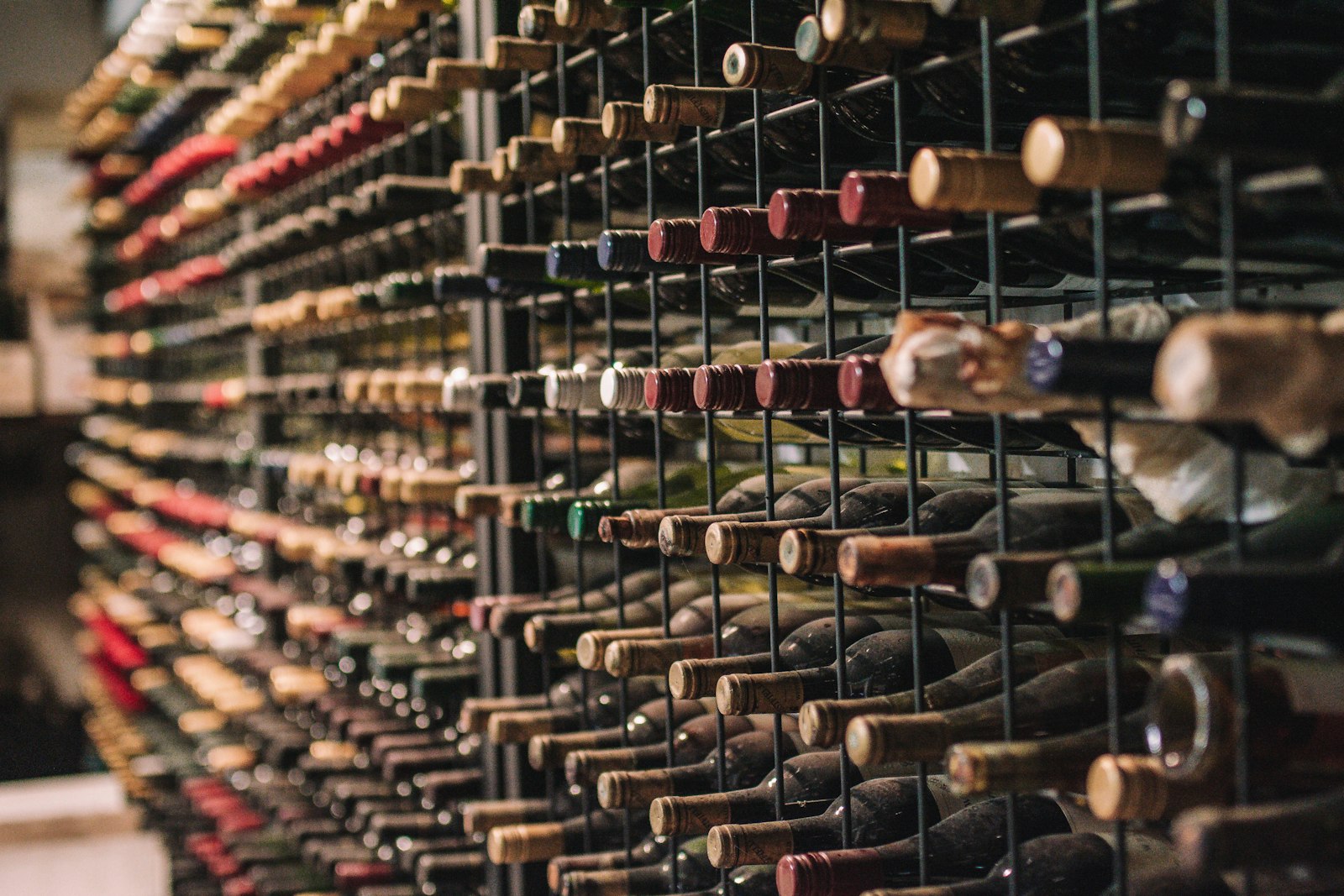
Few figures cause as much uncertainty when buying wine as the vintage printed on the label. There are tables that rate each vintage from each region, and some people consult them as if they were an oracle. It is worth understanding what information they actually contain and where their usefulness ends.
What exactly is a vintage?
The vintage is simply the year in which the grapes were harvested. As the vine is dependent on the weather, that year determines the quality of the raw material: how much rain fell, how hot it was in August, whether there was hail in May, and whether ripening was slow or rushed. A cool year tends to produce lighter, more acidic wines; a warm year, riper, higher-alcohol and sometimes heavier wines.
Why tables reveal less than meets the eye
A vintage table summarises the average performance of an entire region in a single figure. But within that region there are north- and south-facing slopes, soils that retain water and soils that drain it, and winegrowers who harvested a week before their neighbours. In a year described as «average», there are producers who made memorable wines, and in an «excellent» year, there are lacklustre bottles.
To put it another way: the vintage reflects the context, not the quality of the specific bottle in front of you. Who made the wine almost always carries more weight than the year it was made.
When it is worth watching it
- Wines intended to be drunk young. A fresh white wine or a red wine that hasn’t been aged for five years is probably no longer at its best. Here, the date is a practical piece of information.
- When you’re about to put the bottle away. If the plan is to let it age for a few years, knowing whether the vintage was full-bodied or light helps you decide how long to wait.
- When comparing two bottles from the same producer. It is the most revealing exercise there is: the same wine, the same vineyards, a different vintage. That’s where you see the climate in its purest form.
When you can safely ignore it
If you buy a wine to open this week and it’s from a recent vintage, that’s the end of the discussion. The same applies to non-vintage wines, such as many sparkling and fortified wines, where the aim is precisely to maintain a consistent style by blending different vintages. It’s not a fault: it’s a deliberate choice.
The short ruler
First choose the producer, then the region, and only then the vintage. And if you’re interested in a particular year, the best way to find out how it turned out isn’t to read about it: it’s to open two bottles in quick succession and taste them for yourself.
