
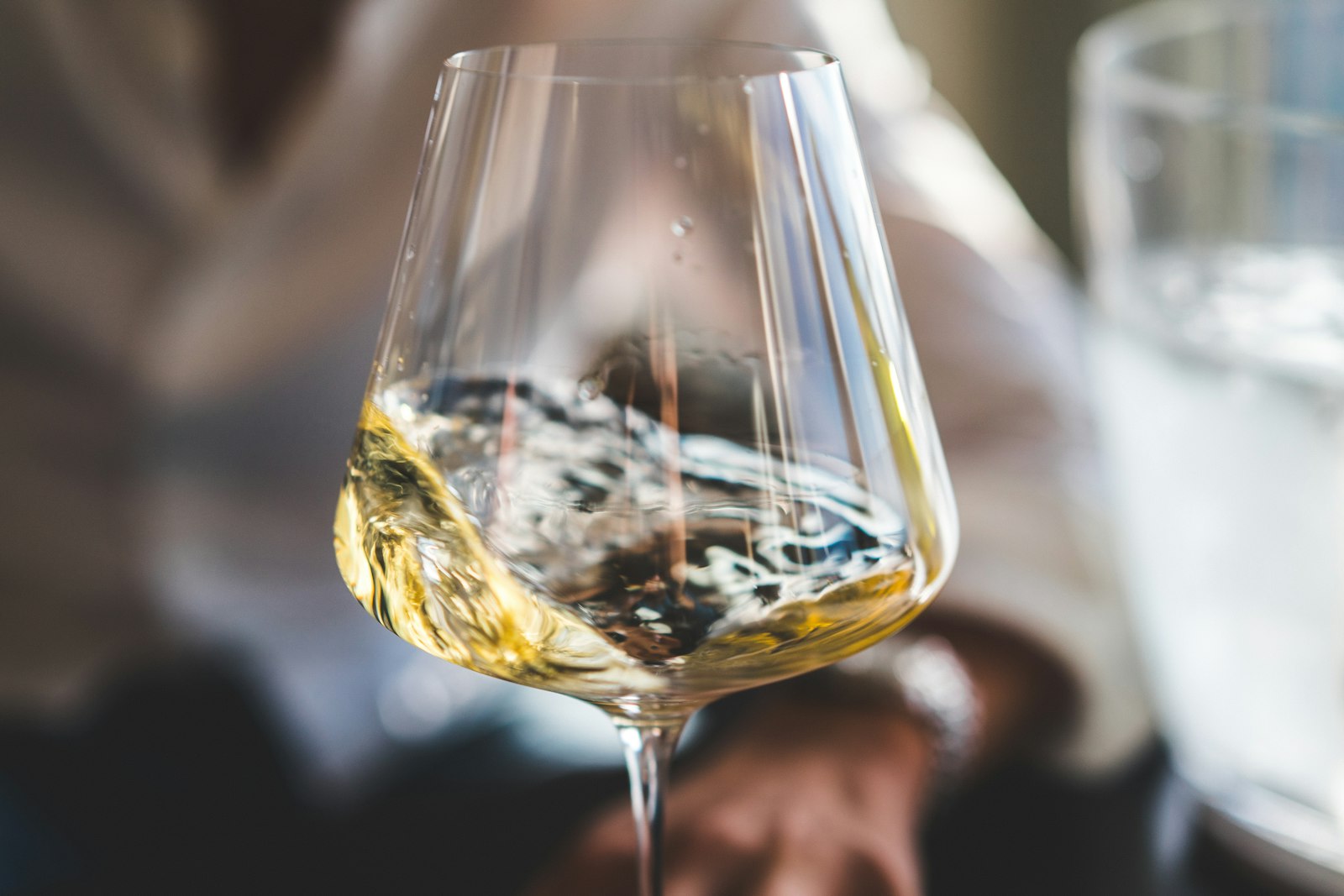
White wine has an undeserved reputation for being the red wine’s younger sibling: for aperitifs, for summer, for when you don’t want to think too hard. The reality is that some of the longest-ageing and most complex wines in existence are whites, and that the variety of grapes available is vast. Here are six that are easy to find and have a lot to teach.
1. Godello
It was on the verge of disappearing, yet today it is one of the great success stories of the north-west of the Iberian Peninsula. It produces full-bodied wines that are never heavy, with an almost creamy texture and a mineral undertone that ages well. It pairs well with oily fish and mild poultry stews.
2. Xarel·lo
Many people know it simply as a sparkling wine grape, but when made into a still white wine, it is a serious variety: it has pronounced acidity, notes of fennel and stone fruit, and an ageing potential that surprises those who taste it after five or six years in the bottle.
3. Riesling
Probably the most versatile white grape in the world. It ranges from crisp and dry to concentrated and sweet, without ever losing the acidity that defines it. Its aroma is unmistakable: lime, white flowers and, with age, a hint of petrol – which sounds strange when written down but is fascinating in the glass. Unbeatable with spicy Asian cuisine.
4. Chenin Blanc
Versatile. It can produce wines that are taut and crisp or dense and honeyed, depending on where it is grown and how it is vinified. It strikes a balance between honey and apple notes, underpinned by firm acidity. It is one of those grapes that changes your perception of white wine.
5. White Garnacha
Less acidic than the previous wines and fuller on the palate, with notes of dried herbs and ripe white fruit. A great choice for those who usually drink red wine and find whites too sharp. Excellent with rice dishes and grilled vegetables.
6. Assyrtiko
The least well-known on the list and the one that tends to surprise people the most. A Greek grape variety of volcanic origin, it produces salty, dry and very straightforward wines, with a sharp acidity and an almost mineral finish. It’s the perfect match for grilled seafood – there’s no question about it.
How to try them
Don’t open them all on the same night. Pick two, pour them at the same time and compare them: in half an hour you’ll understand acidity and body better than any theoretical explanation ever could. And serve them at about ten or twelve degrees, not ice-cold: extreme cold hides precisely what you’re looking for.
